Frask’s letter to Life magazine
Lessons in ChemistryFrask’s letter to Life magazine turns Miss Frask’s belated recognition of Elizabeth Zott’s scientific record into a public correction—and a confession. Written in response to a cover story she considers false, it challenges the magazine’s account while naming Miss Frask’s own part in the treatment of Zott at Hastings. Its publication makes private remorse part of a wider protest over how Zott has been represented.
Background and Composition
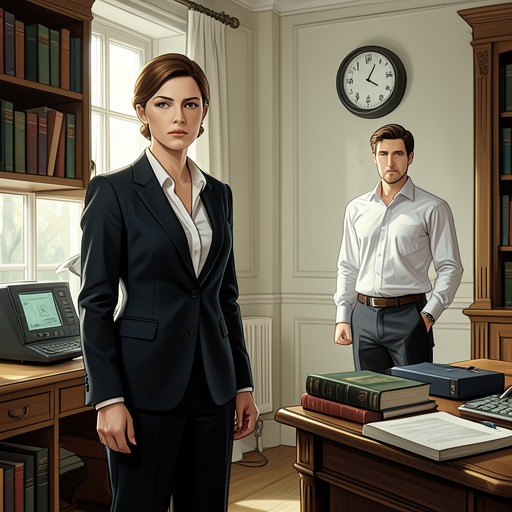
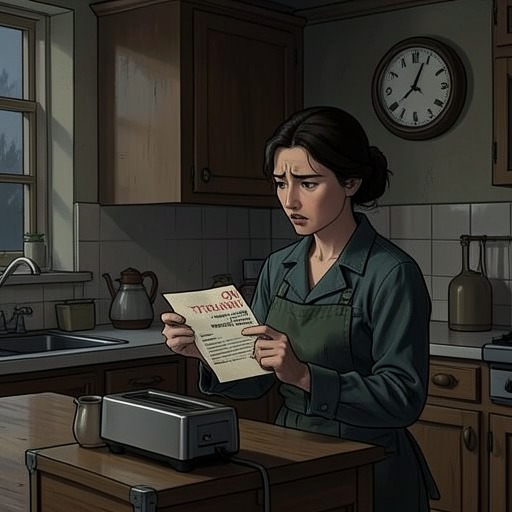
Miss Frask writes after Madeline leaves her an envelope addressed to Elizabeth Zott and marked private, asking her to give it to Reverend Wakely. Miss Frask has promised to deliver it, but opens it as soon as the child is gone. Inside is Roth’s latest article. Reading it changes her view of Zott: she recognizes the chemist’s stature and, thirty seconds later, is typing an urgent letter to the editors of Life magazine.
The letter disputes the magazine’s cover story as factually false. Miss Frask identifies herself as someone who knew Zott and had worked with her, and says she had also worked with Dr. Donatti. She asserts that she can support her account with documents, shifting her rebuttal from indignation to a claim of firsthand knowledge and evidence.
Accusations and Confession
Miss Frask lists Zott’s accomplishments as a chemist, many of which she has only just learned from Roth’s article. Alongside that record, she describes the injustices Zott faced at Hastings: Donatti reappropriated her funding and then fired her without cause. Miss Frask does not present herself as an uninvolved witness. She acknowledges that she was part of the wrongdoing and describes her current work typing sermons as an effort to atone.
Her account extends beyond Zott’s dismissal. Miss Frask says that Donatti later stole Zott’s research and lied to important investors. She expects Life magazine not to have the courage to print her letter, but writes it nonetheless. The letter’s force lies in joining an indictment of institutional misconduct to an admission that the writer herself once helped enable it.
Publication and Aftermath
The letter appears in the very next issue of Life magazine, contrary to Miss Frask’s expectation. Its publication makes her testimony part of the public response to the cover story, rather than a private act of contrition. Harriet Sloane later tells Zott that women from across the country have written to the magazine in protest, and mentions a letter from someone claiming to have worked with Zott at Hastings. This response places Miss Frask’s intervention within a broader wave of support, while her specific account supplies the protest with an insider’s acknowledgment of both the harm and her own responsibility.